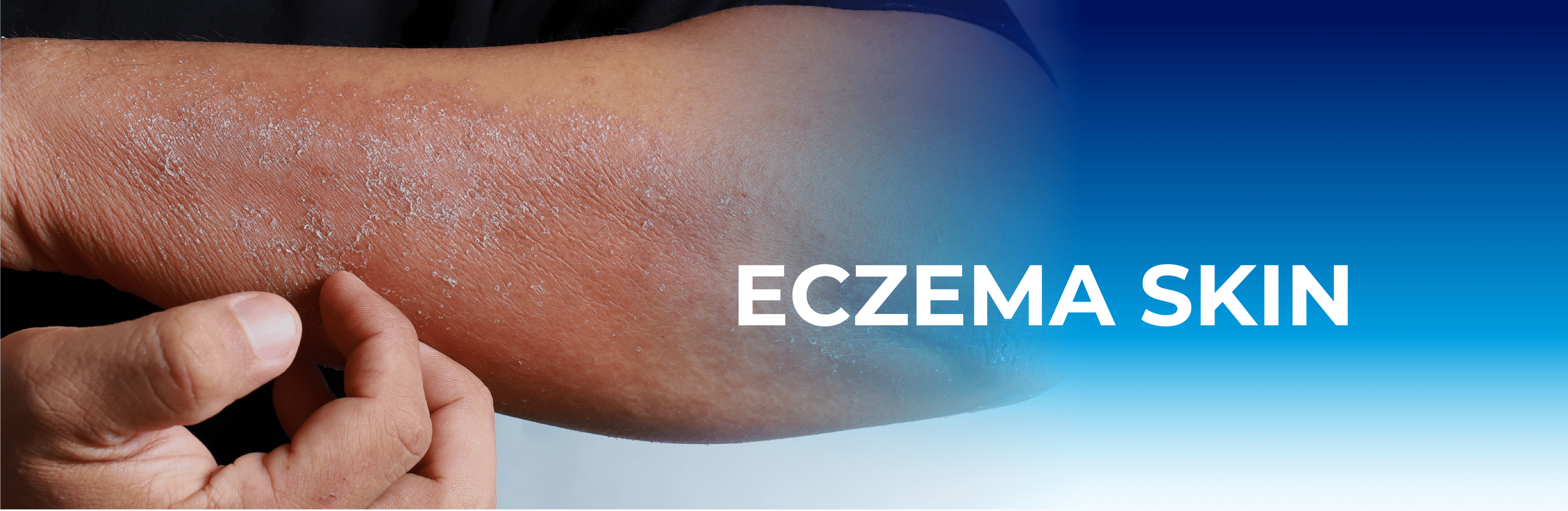
Bepanthen® is a globally trusted brand that supports the management of atopic eczema and has over 75 years of expertise in medicated skincare and skin healing
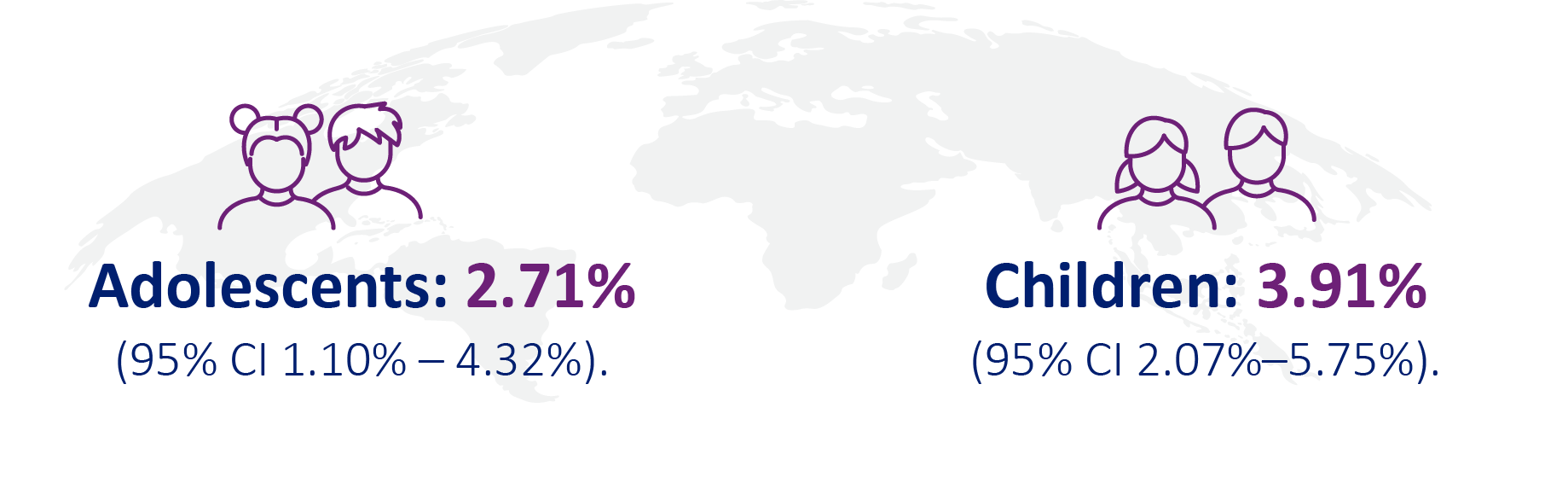
Eczema also known as atopic eczema or atopic dermatitis affects about

children

adults
and is associated with a high burden of morbidity and costs to individuals and health services.1
Overall, 10-year increases in lifetime prevalence:1
The overall prevalence of AD in the UAE was 16.7%.2
The overall prevalence of reported AD is 39.1%,
higher than the diagnosed AD.2

In Dubai and the Northern Emirates:2
- • Children aged 6–7 years reported 12.9%.
-
•
Children aged 13–14 years reported 14.6%.
(n= 3436 school children)
From Dubai Real-World Database:2
The prevalence of mild-to-moderate AD in this population is 5.5%.
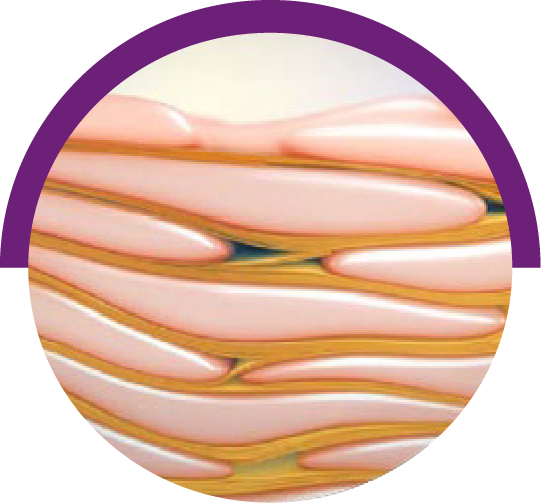
In healthy skin, lamellar lipids are layered in a tight configuration, preventing moisture from escaping.3,4
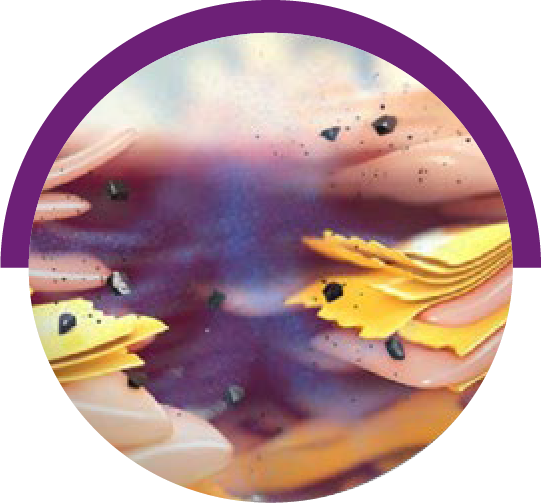
During a flare, the skin’s lamellar lipids are shorter and broken, leaving gaps that allow water to escape and allergens, irritants and pathogens to penetrate.3,4
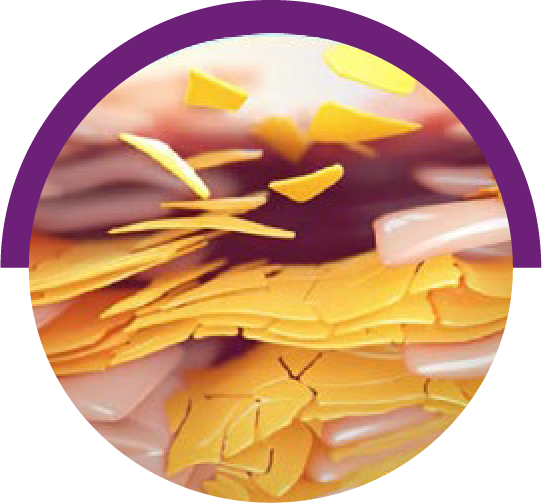
Lipid Lamellar Technology features lipids such as free fatty acids and ceramides. These integrate and bind to lipids in damaged skin, filling in gaps and arranging themselves in the right order to restore the skin barrier.5
AD: atopic dermatitis; UAE: United Arab Emirates; ISAAC: international skin and
anti ageing center.
References:
1.Langan, S. M., Mulick, A. R., Rutter, C. E., Silverwood, R. J., Asher,
I., García‐Marcos, L., ... & Shah, J. (2023). Trends in eczema prevalence in
children and adolescents: A Global Asthma Network Phase I Study. Clinical &
Experimental Allergy, 53(3), 337-352. 2.Mahmoud, O., Yosipovitch, G., & Attia,
E. (2023). Burden of disease and unmet needs in the diagnosis and management of
atopic dermatitis in the Arabic population of the Middle East. Journal of
clinical medicine, 12(14), 4675.3.van Smeden J et al.
Biochim Biophys Acta 2014;1841:295–313. 4.Danby SG and Cork MJ. J Clin Dermatol
2010;1:33–46. 5.Stettler H et al. KOM Dermatol News 2016;11:1–11.